In international trade, a container of high-quality Cashews or Coffee is worthless if it gets stuck at your port. We have seen it happen too often: A shipment arrives on time, but sits in the yard for weeks, racking up thousands of dollars in Demurrage and Detention fees, simply because of a missing document or a minor discrepancy in the paperwork.
For B2B importers, documentation is not just admin work; it is a financial risk.
At An Supply, we believe that our job isn’t finished when the container leaves Ho Chi Minh City. It is finished when you successfully clear customs. Here is the critical documentation checklist we manage to ensure your clearance is smooth, compliant, and duty-optimized.
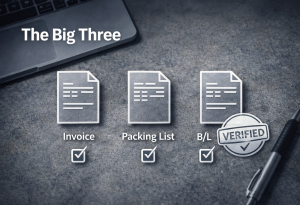
1. The “Big Three”: Accuracy is Non-Negotiable
These are standard, but they are where 80% of errors occur. A single typo here can trigger a customs audit.
- Commercial Invoice: It must clearly state the Incoterms (FOB, CIF, etc.), payment terms, and precise product descriptions. Risk: Vague descriptions (e.g., just “Nuts”) can lead to misclassification and higher duties. We use precise HS Codes.
- Packing List: This must match the physical count exactly. Customs officers may do a random spot check. If the Packing List says 700 cartons but they count 701, your cargo is flagged.
- Bill of Lading (B/L): The title of ownership. We prioritize Telex Release (Surrender BL) for speed, ensuring you have ownership rights immediately without waiting for courier delivery of paper originals.
2. The “Deal Breakers”: Agricultural Compliance
Since An Supply deals in food products (Cashews, Coffee, Spices), general docs are not enough. You need proof of safety and biosecurity. Without these, your goods will be rejected or destroyed.
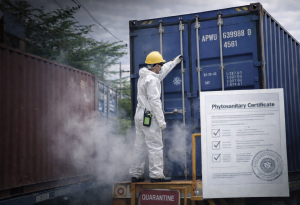
- Phytosanitary Certificate (The “Phyto”): Issued by the Plant Protection Department of Vietnam. It certifies that the beans are free from live insects or pests.
- An Supply Edge: We fumigate every container and ensure the Phyto details match the B/L exactly to satisfy strict quarantines in Australia, China, and the EU.
- Certificate of Analysis (COA) / Health Certificate: Proof that the product meets chemical and physical standards (Moisture, Aflatoxin levels). We provide internal lab reports and can arrange third-party verification (SGS/CafeControl) upon request.
3. The “Money Savers”: Certificate of Origin (C/O)
Vietnam has Free Trade Agreements (FTAs) with many regions (EVFTA for Europe, VKFTA for Korea, etc.). The C/O is your golden ticket to 0% Import Duty.
- Form EUR.1 (for Europe): Critical for tax exemption under EVFTA.
- Form A / Form B: For general preferences.
- The Risk: If the C/O is issued with the wrong HS Code or criterion, customs will reject the tax break, costing you 5-20% of the shipment value. An Supply’s documentation team pre-checks these codes with you before application.
4. Market-Specific Requirements (The Devil in the Details)
Every country has its own red tape. We proactively handle these:
- USA: FDA Registration & ISF Filing. We provide our FDA registration number and ensure Prior Notice is filed before the ship moves.
- Africa/Middle East: ECTN / FERI Certificate. Some nations require an electronic cargo tracking note. Missing this results in massive fines at the destination.
5. The An Supply Protocol: “Check Twice, Ship Once”
Why do partners trust An Supply with their paperwork? Because we hate surprises as much as you do.
Our Zero-Error Workflow:
- Draft Approval: We never issue original docs without sending you a draft PDF first. You confirm every comma and digit.
- Consistency Check: Our system cross-references the Invoice, Packing List, and B/L to ensure data uniformity (Weight, Vessel Name, Seal No.).
- Speed: We aim to send full digital sets within 3-5 working days after the vessel departs, giving you ample time to prepare for arrival.
Conclusion
Don’t let a piece of paper destroy your profit margin. Sourcing from Vietnam requires a partner who understands Compliance as well as they understand Cashews.
Import with confidence. Import with An Supply.