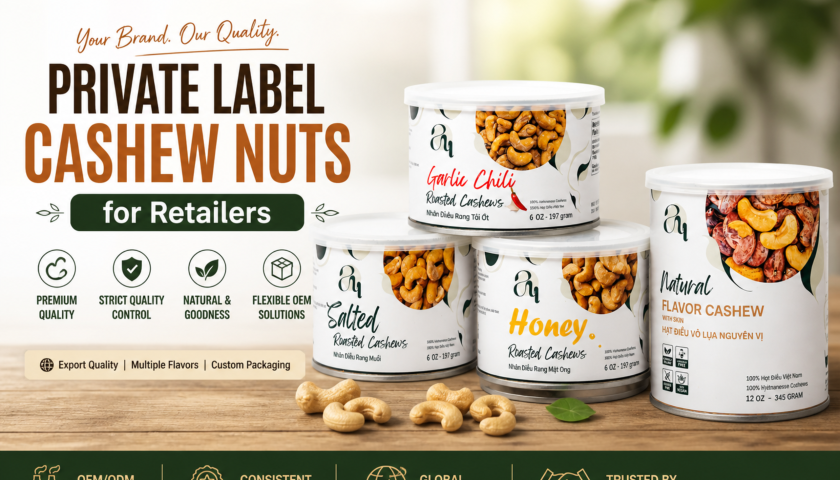
Product development support is where a sourcing idea becomes a real export project.
A buyer may start with a simple request:
- “We want a private label cashew snack.”
- “We need Vietnamese coffee for our retail chain.”
- “We are testing a processed food line for the EU market.”
But between the idea and the container, there are many decisions. If those decisions are not managed early, buyers can lose time, money, and market momentum.
This guide explains how An Supply provides product development support from first discussion to export-ready shipment.
1) Start With the Commercial Goal
Contents
- 1) Start With the Commercial Goal
- Buyer insight
- 2) Turn the Idea Into a Product Brief
- A practical brief should include:
- 3) Match Product Requirements With Factory Capability
- Factory matching checklist (buyer → supplier questions)
- 4) Review Samples Beyond Taste
- A sample should also be reviewed for:
- 5) Control Packaging, Labels, and QC
- Before production, buyers should confirm:
- 6) Prepare Export Execution
- Export execution includes:
- 7) Final Buyer Checklist
- 8) What Buyers Should Not Skip
- 9) CTA
Product development support should begin with the buyer’s business goal, not only with price.
Before asking for a quotation, buyers should clarify:
- Target country or region
- Retail, foodservice, wholesale, or private label channel
- Expected customer profile
- Price position
- Product format
- Packaging expectation
- Certification or documentation needs
The same product can require different packaging, shelf-life planning, and label review depending on the market—so it’s helpful to align early with your supplier’s capability overview before locking specs.
Buyer insight
A strong supplier does not rush into quoting. The first job is to understand what the buyer is trying to sell, where it will be sold, and what could create risk later.
Transition: Once the commercial goal is clear, the idea needs to become a working brief.
2) Turn the Idea Into a Product Brief
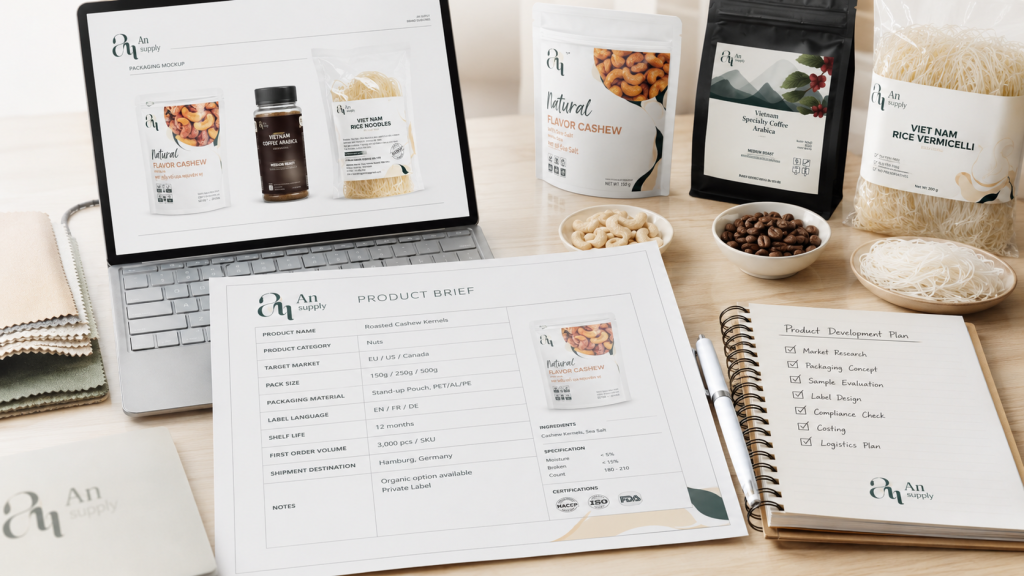
A product brief connects buyer expectations with supplier execution. Without it, product development support becomes guesswork.
A practical brief should include:
- Product category
- Ingredient or raw material direction
- Target quality level
- Pack size
- Packaging material
- Label language
- Shelf-life expectation
- First order volume
- Scale-up plan
- Shipment destination
For example, a cashew snack for Singapore retail may need different packaging logic than bulk cashew kernels for industrial use. A coffee product for Korea may need a different taste profile than a Robusta-forward product for the Middle East.
3) Match Product Requirements With Factory Capability
Not every factory is right for every product. This is where product development support becomes very practical.
Factory matching checklist (buyer → supplier questions)
| Buyer Requirement | Supplier Question | Why It Matters |
|---|---|---|
| Retail pack | Can the factory pack consistently? | Protects shelf appearance |
| Private label | Can artwork and label details be controlled? | Reduces brand risk |
| Export shipment | Can cartons and documents match requirements? | Reduces customs and delivery issues |
| New flavor or format | Can samples be repeated at scale? | Protects reorder consistency |
| Certification need | What documents are available? | Avoids unsupported claims |
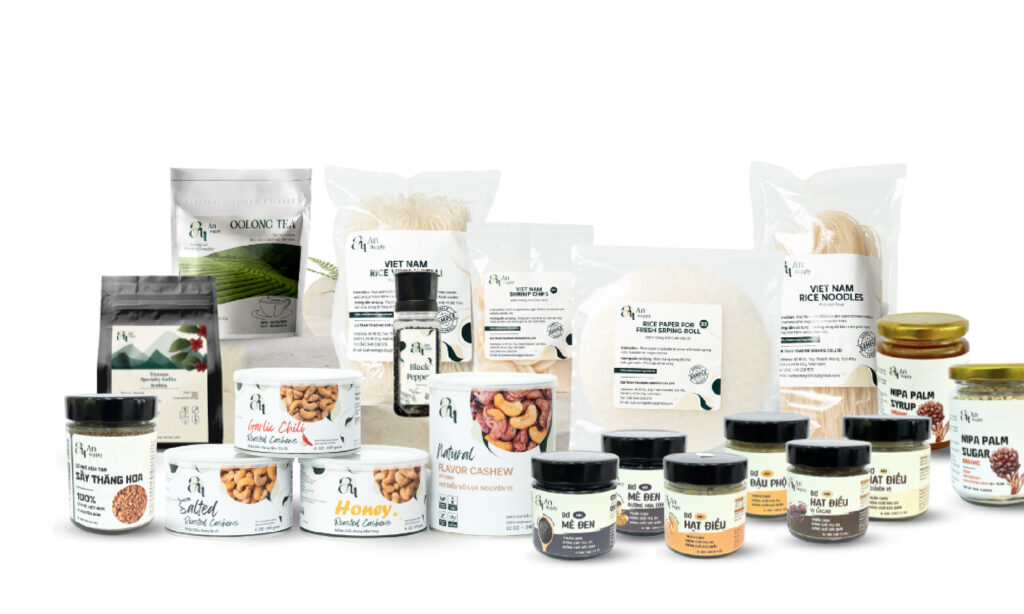
An Supply can help buyers connect product requirements with suitable farm and factory partners—especially when choosing from relevant product categories.
Transition: After factory direction is clear, the sample must be reviewed like a commercial product, not just a nice prototype.
4) Review Samples Beyond Taste
Many buyers judge a sample only by appearance or flavor. That is not enough for export products.
A sample should also be reviewed for:
- Repeatability
- Packaging feasibility
- Shelf-life risk
- Cost structure
- Label practicality
- Carton strength
- Shipment handling
Product development support should help the buyer decide whether the sample can survive real market conditions—across multiple shipments, not just the first one.
5) Control Packaging, Labels, and QC
Packaging is not decoration. It protects product quality and brand trust.
Before production, buyers should confirm:
- Final artwork
- Label language
- Ingredient and claim wording
- Net weight
- Packaging barrier performance
- Carton specification
- QC checklist before loading
An Supply supports packaging discussion, label review, printing follow-up, and strict QC before loading—so buyers can scale with fewer surprises and better shipment consistency.
To strengthen export-readiness decisions (especially for new markets), buyers can also use practical guidance from the International Trade Centre and align relevant product/quality expectations with ISO standards where applicable.
6) Prepare Export Execution
The project is not finished when production is complete.
Export execution includes:
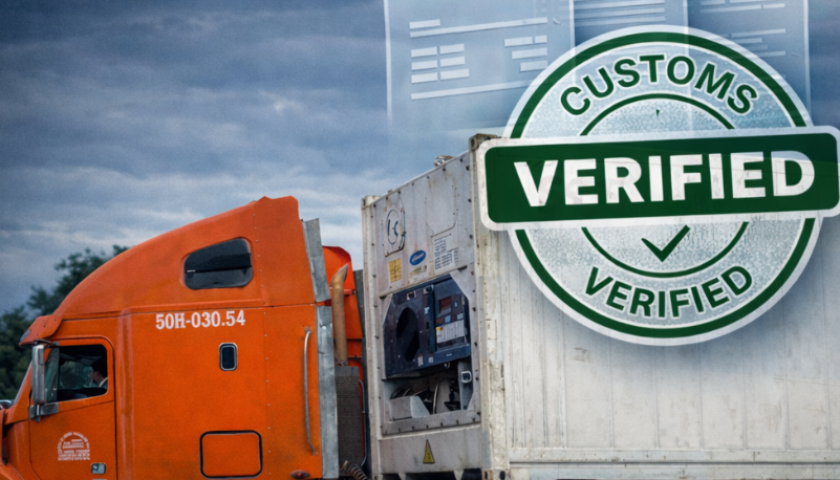
- Document preparation
- Customs coordination
- Freight support
- Loading readiness
- Shipment tracking
- Communication until delivery
This is where a supplier’s service mindset matters. If a problem appears, the buyer needs a partner who responds and helps solve it—with transparency and responsibility.
7) Final Buyer Checklist
Before moving from concept to container, confirm:
- Product brief is clear
- Sample is approved
- Packaging is practical
- QC plan is defined
- Export documents are aligned
- Shipment timeline is realistic
- Responsibility is clear if issues appear
Product development support is not only about making a product. It is about building a product that can be shipped, repeated, and trusted.
8) What Buyers Should Not Skip
Even when the product looks simple, buyers should not skip operational details.
Before confirming production, check:
- Who owns the final specification
- Who approves packaging changes
- Which sample is the production reference
- What inspection happens before loading
- Which documents are needed for import
- Who communicates if the shipment timeline changes
These details make product development support more useful because they turn a promising idea into a controlled export process.
9) CTA
If you want to turn a product idea into a practical development plan—from concept to container—reach out via An Supply’s contact page to start the first discussion and map the next steps clearly.