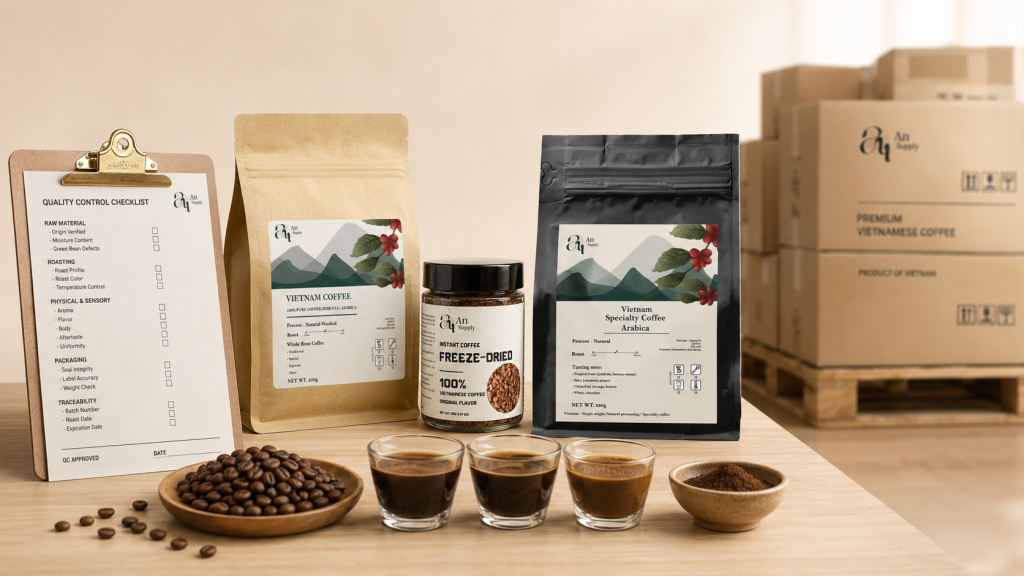
Sustainable coffee packaging has changed the coffee industry—but not in a “nice-to-have” way.have” way.
Today, packaging is often the first thing consumers judge. It signals whether a brand is modern, responsible, and worth trusting. For importers and private label owners, sustainable packaging is also becoming a practical requirement—driven by retailer expectations, regulations, and customer demand.
But coffee packaging has a hard truth:
Freshness protection and sustainability must work together.
If eco-friendly packaging fails to protect aroma, the brand pays for it through complaints, slow repeat purchases, and wasted inventory.
This guide explains how to choose sustainable coffee packaging that supports both sustainability goals and real-world performance.
1. Why Coffee Packaging Is Hard to “Make Sustainable”
Contents
- 1. Why Coffee Packaging Is Hard to “Make Sustainable”
- 2. Common Sustainable Coffee Packaging Options (and What They’re Best For)
- 3. Don’t Compromise the Coffee: Freshness Features Still Matter
- 4. How to Choose the Right Sustainable Packaging for Your Brand
- If you sell roasted coffee beans (retail)
- If you sell instant coffee / soluble coffee
- If you’re building a private label brand across multiple markets
- 5. Sustainability Messaging: Make It Real, Not Loud
- 6. Why Partners Choose An Supply for Sustainable Coffee Packaging (OEM/Private Label)
- FAQ
- Is sustainable coffee packaging always recyclable?
- Can eco-friendly packaging still protect coffee freshness?
- How should brands communicate sustainable packaging to customers?
- Final Thought
Coffee is sensitive. It reacts quickly to:
- oxygen exposure (aroma loss, staleness)
- moisture
- heat during storage and transit
- light exposure (for some formats)
That’s why traditional coffee packaging often uses multi-layer materials—excellent for barrier performance, but harder to recycle.
The goal of sustainable coffee packaging is not “make it green-looking.”
It’s reduce environmental impact without sacrificing freshness and shelf stability.
2. Common Sustainable Coffee Packaging Options (and What They’re Best For)
| Packaging Option | Best For | Watch-outs |
|---|---|---|
| Recyclable / Mono-material Bags | Retail coffee bags, eco-focused brands, markets with recycling systems. | Validate barrier performance, valve fit, and sealing quality. |
| Recycled-content Packaging | Brands wanting measurable sustainability improvements. | Check food-contact compliance and material consistency. |
| Compostable Packaging | Premium lines or markets with real composting infrastructure. | Confirm shelf life, barrier performance, and disposal clarity. |
3. Don’t Compromise the Coffee: Freshness Features Still Matter
Whether your packaging is recyclable, recycled-content, or compostable, coffee still needs protection.
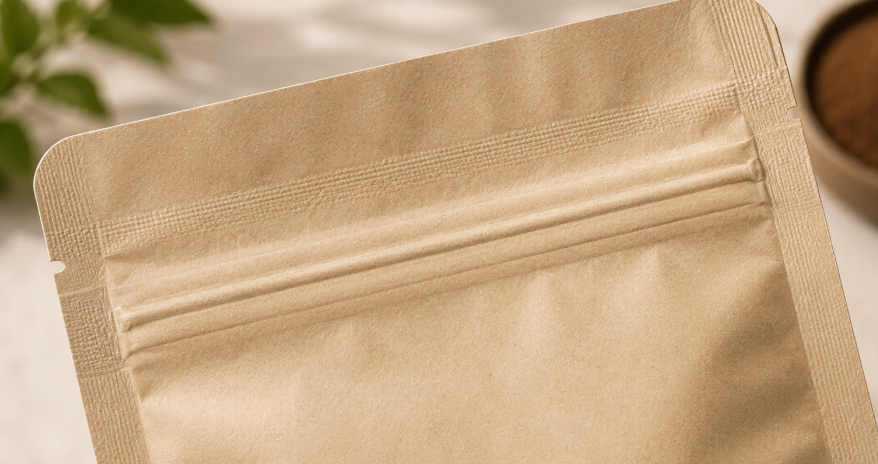
Key features that often matter:
- strong oxygen and moisture barrier performance
- reliable sealing integrity
- packaging durability for stacking and long-distance transit
- correct valve selection (for whole beans, where degassing is important)
A sustainable pack that can’t protect aroma creates a bigger sustainability problem: waste.
4. How to Choose the Right Sustainable Packaging for Your Brand
Instead of choosing packaging based only on trend, align it with your product and channel:
If you sell roasted coffee beans (retail)
- focus on barrier performance + valve compatibility
- choose sustainable structures proven to protect aroma
- ensure the pack survives export conditions and warehousing
If you sell instant coffee / soluble coffee
- moisture protection is critical
- sachet and outer packaging should minimize humidity exposure
- consider recyclability improvements where feasible
If you’re building a private label brand across multiple markets
- prioritize flexible packaging options that can meet different compliance needs
- keep messaging clear and honest (avoid “greenwashing”)
- validate packaging performance before scaling volume
5. Sustainability Messaging: Make It Real, Not Loud
Sustainability content works best when it feels grounded:
- what material is used (and why)
- what improvement it brings
- how customers should dispose of it
- how the brand balances sustainability with freshness
The strongest sustainability message is a consistent one: your brand protects the planet and protects the product
6. Why Partners Choose An Supply for Sustainable Coffee Packaging (OEM/Private Label)
In export trade, packaging decisions must be both responsible and reliable.
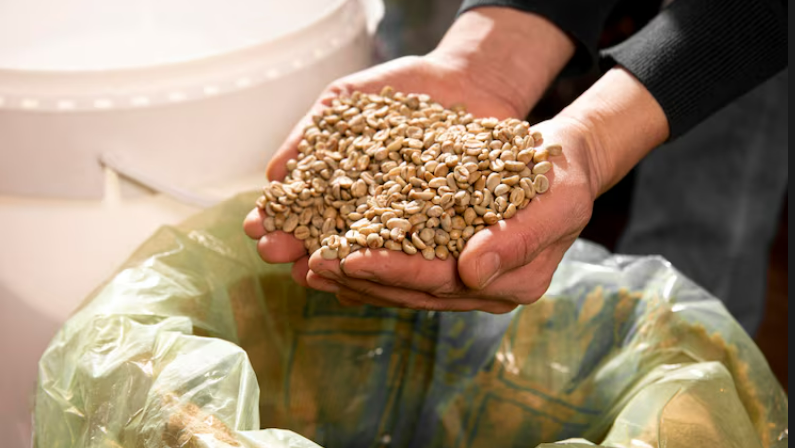
At An Supply, we support B2B partners with:
- an export-standard network of farms and large-scale factories
- flexible OEM/private label capability (formats, specs, packaging direction)
- strict QC before loading, including packaging integrity checks
- a customer service mindset built on accompaniment and responsibility—if challenges arise, we stay on the front line with you until the issue is resolved
Because sustainability only works when the supply chain works.
FAQ
Is sustainable coffee packaging always recyclable?
Not always. “Sustainable” can mean recyclable, recycled-content, or compostable—depending on materials and local disposal infrastructure.
Can eco-friendly packaging still protect coffee freshness?
Yes—when barrier performance, sealing integrity, and (when needed) valve design are properly selected and validated.
How should brands communicate sustainable packaging to customers?
Be specific, clear, and honest. Explain what the packaging is made of, what benefit it brings, and how to dispose of it properly.
Final Thought
The future of coffee packaging is not a single material. It’s a smarter decision process.
Choose packaging that supports sustainability goals—without losing the one thing coffee brands can’t afford to lose: freshness and trust.