A coffee buyer can receive a good sample, a fair price, and a convincing sustainability story — but the problem often appears later. The bulk shipment may not match the sample, moisture may drift outside the agreed range, and packaging may not protect the coffee during transit.
That is why regenerative coffee farming should be treated as a sourcing question, not a marketing label. Buyers still need a clear way to verify the claim, especially when building programs in Vietnam’s Central Highlands. This guide explains seven practical checks buyers can use before building a sourcing plan around regenerative coffee farming.
1. Start with what “Regenerative” actually means
Contents
- 1. Start with what “Regenerative” actually means
- 2. Why Regenerative Coffee Farming Matters in the Central Highlands
- 3. 7 Practical Checks Before Sourcing Regenerative Coffee
- 4. Why Regenerative Farming Does Not Replace Coffee QC
- 5. Sourcing Risks Buyers Should Not Ignore
- 6. How An Supply Supports Sustainable Coffee Buyers
- 7. Recommended An Supply Products
- 8. Buyer Checklist Before Confirming an Order
- 9. FAQ
- 10. Conclusion
Regenerative coffee farming can mean different things depending on the supplier, farm group, certification program, or internal sourcing policy.
Some suppliers use the term to describe a broad sustainability direction. Others connect it to specific practices such as:
- soil cover
- compost use
- shade trees
- biodiversity protection
- water management
- erosion control
- farmer training
A buyer should not stop at the question: “Is this coffee regenerative?”
A better question is: “Which farming practices support the claim, and what records can be shared with the buyer?”
Buyer insight: The risk is not the word “regenerative.” The risk is using the word without evidence, without a process, and without a document trail that matches the product being sold.
For a clearer view of how regenerative claims can be structured, buyers can review the Rainforest Alliance reference before using similar language in their own sourcing or packaging documents.
Transition: Once the claim is clear, the next step is to look at the origin.
2. Why Regenerative Coffee Farming Matters in the Central Highlands
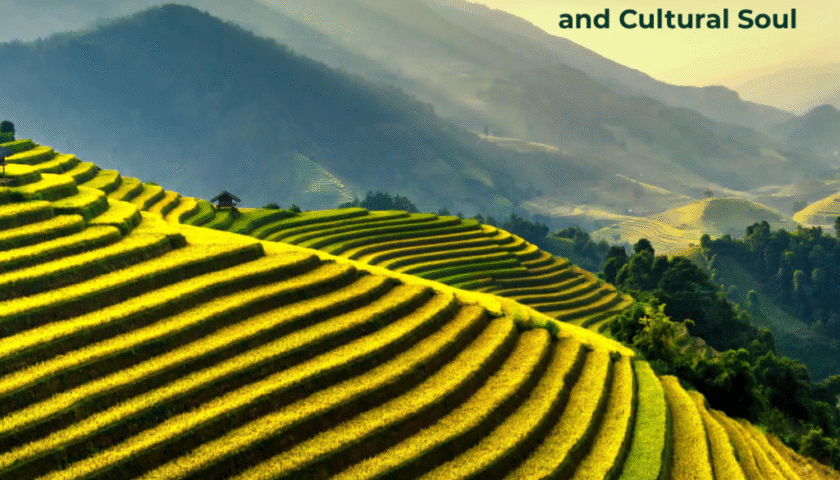
The Central Highlands is a key coffee region in Vietnam and offers the farming base, processing experience, and export network that many B2B buyers need.
For commercial Robusta, it supports volume and consistency. For specialty or higher-value programs, it also allows room for cup profile, post-harvest handling, and origin storytelling.
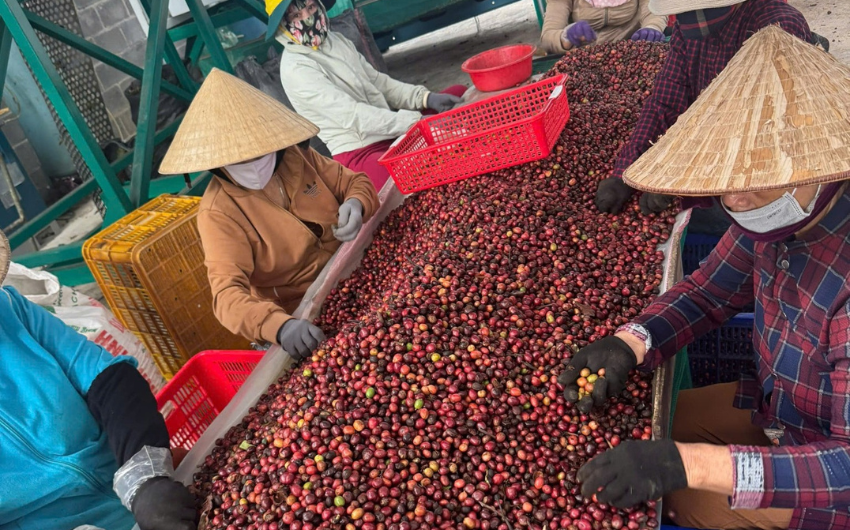
But buyers should not rely on origin alone. The more important questions are: Where does the coffee come from? How is it collected? How is the sample prepared? How is the bulk shipment controlled?
Regenerative coffee farming only becomes useful when it is connected to those questions — helping buyers think about farm resilience, traceability, and long-term supply.
For buyers comparing product formats, An Supply’s Vietnam Coffee page can be used as the next internal step.
Transition: From here, buyers can move into a practical verification checklist.
3. 7 Practical Checks Before Sourcing Regenerative Coffee
| Buyer Check | What Buyer Should Verify |
| Meaning of regenerative | Which farm practices support the claim? |
| Traceability | Can the supplier identify region, batch, processing facility, warehouse, and shipment? |
| Coffee quality indicators | Are moisture, defects, screen size, cup profile, and storage controlled? |
| Soil and water practices | Are soil cover, compost, shade trees, and water management part of the sourcing discussion? |
| Farmer engagement | Are farmers, cooperatives, or farm groups involved in the process? |
| Packaging and storage | Is the packaging suitable for long-distance export and the buyer’s sales channel? |
| Export documents | Can shipment-specific documents and quality records be prepared? |
4. Why Regenerative Farming Does Not Replace Coffee QC
This is the point many buyers need to keep clear: regenerative farming can support a stronger sourcing story, but export quality still depends on execution after harvest.
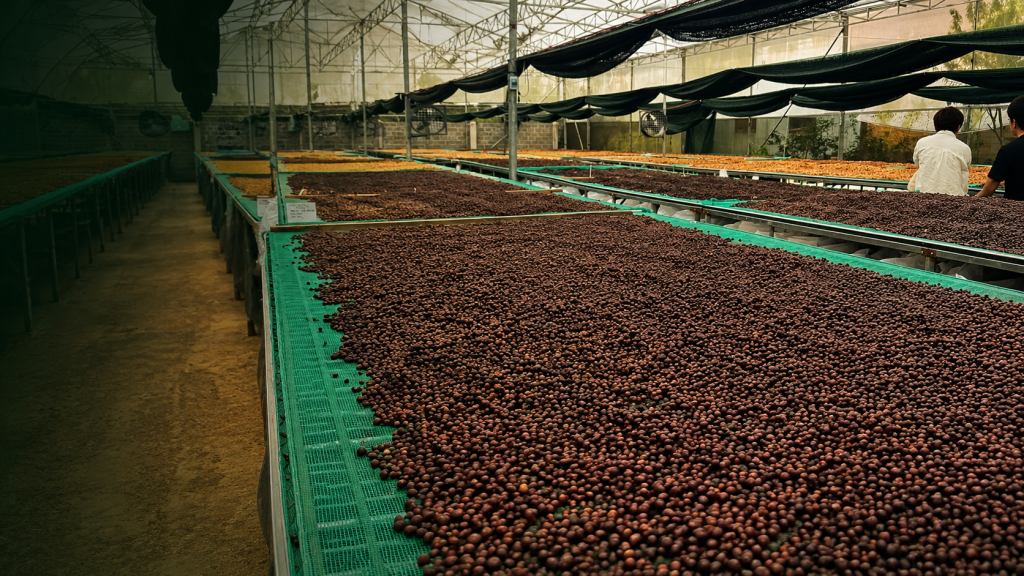
Drying, sorting, storage, packaging, container loading, and shipment planning still decide whether the final lot performs well when it reaches the buyer.
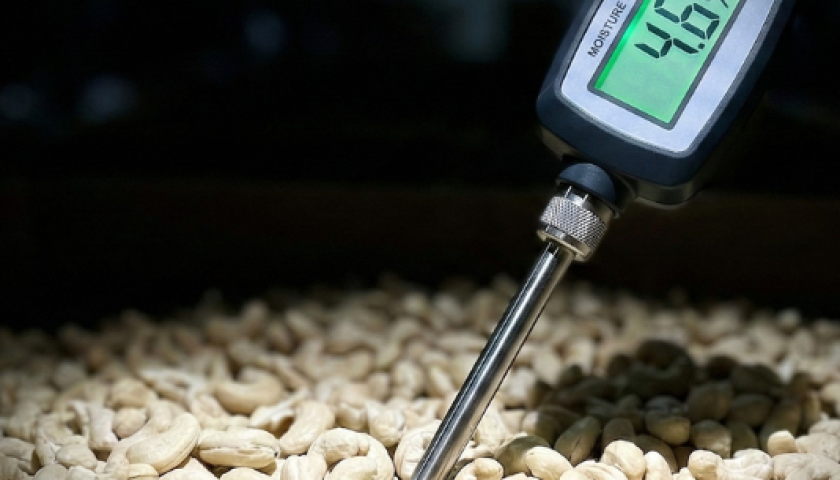
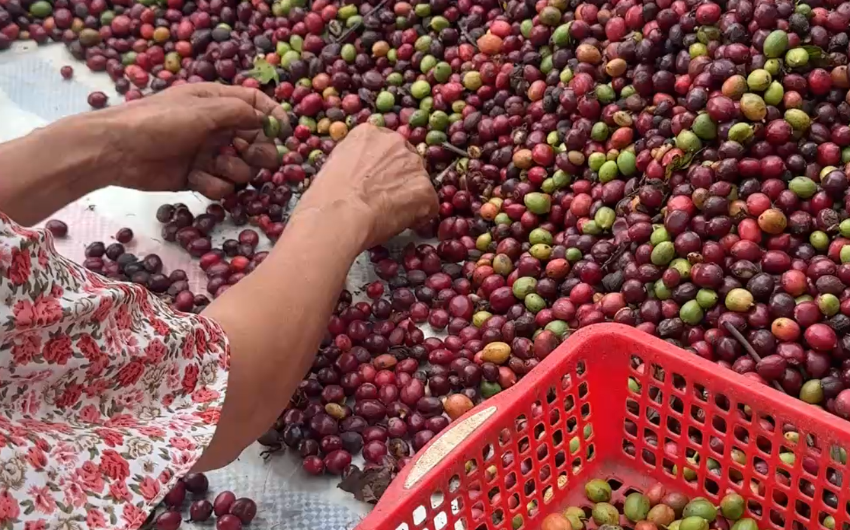
For green coffee, buyers should pay close attention to moisture, defects, screen size, and cup consistency. For roasted coffee, aroma protection and packaging are more important. For instant or freeze-dried coffee, solubility, moisture control, color, aroma, and barrier packaging become critical.
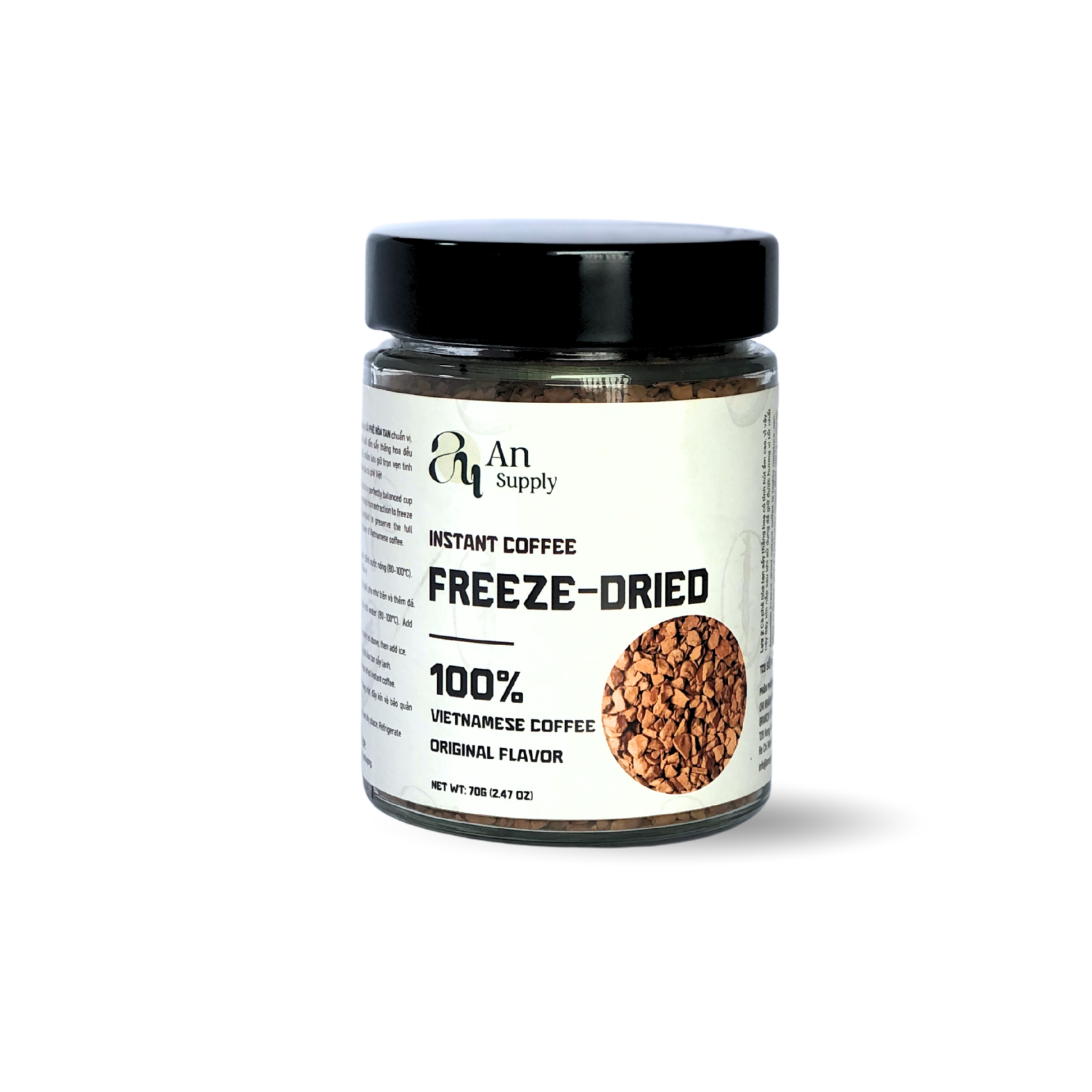
For buyers working with processed formats, Instant Coffee Freeze-Dried requires especially careful moisture and packaging control.
Buyer insight: A sustainability claim may help a product enter the conversation. Consistent QC is what helps the buyer reorder.
5. Sourcing Risks Buyers Should Not Ignore
When a supplier talks about regenerative coffee farming, buyers should watch for red flags. These signs do not always mean the supplier is unreliable, but they do mean the buyer needs more verification.
- The supplier uses sustainability language but cannot explain farm practices.
- There is no batch-level traceability or origin record.
- The sample is good, but the bulk control process is unclear.
- The packaging does not match the shipping distance or sales channel.
- The supplier cannot explain moisture control.
- Documents are discussed too late in the order process.
- The supplier avoids questions about inspection, claims, or origin.
- The sustainability claim is too broad to be used safely on packaging.
A strong coffee sourcing partner should not be uncomfortable with these questions. In B2B export, transparency is not a weakness. It is part of risk control.
6. How An Supply Supports Sustainable Coffee Buyers
An Supply supports coffee buyers by connecting the sourcing discussion with product specifications, quality control, packaging, documentation, and export coordination.
- For buyers interested in regenerative coffee farming, the first step is not to choose a label. The first step is to clarify the product requirement and the market expectation.
An Supply can help buyers review coffee type, origin discussion, quality specifications, sample coordination, packaging direction, sustainability requirements, pre-shipment checking, and export documents.
- For private label coffee, An Supply can also support blend discussion, pack format, and buyer communication with production partners.
If the buyer is building a branded line, the next practical step is to review An Supply’s Custom Coffee Blend Supplier support for blend direction, samples, packaging, and export coordination.
7. Recommended An Supply Products
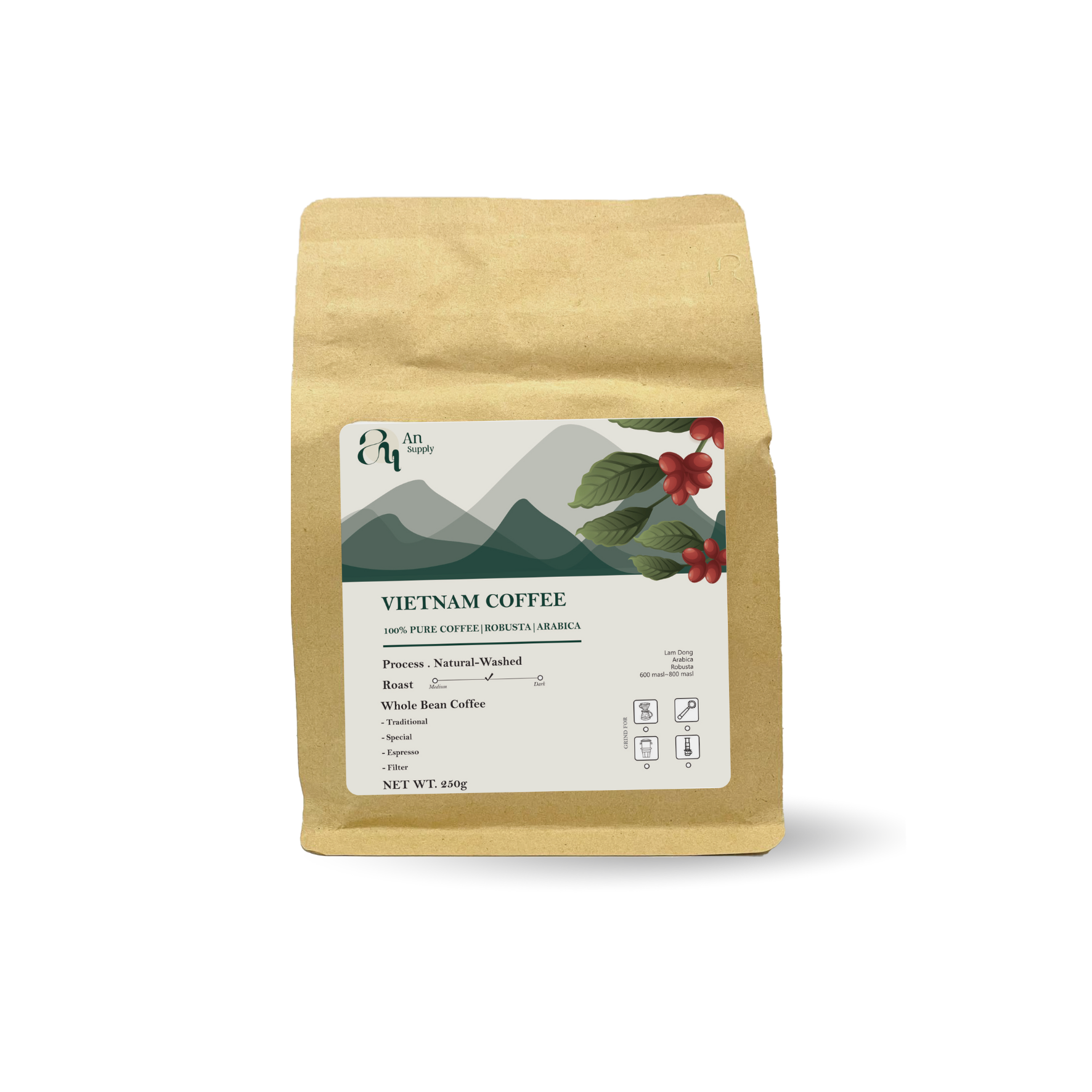
- Vietnam Coffee: https://ansupply.com.vn/vietnam-coffee/
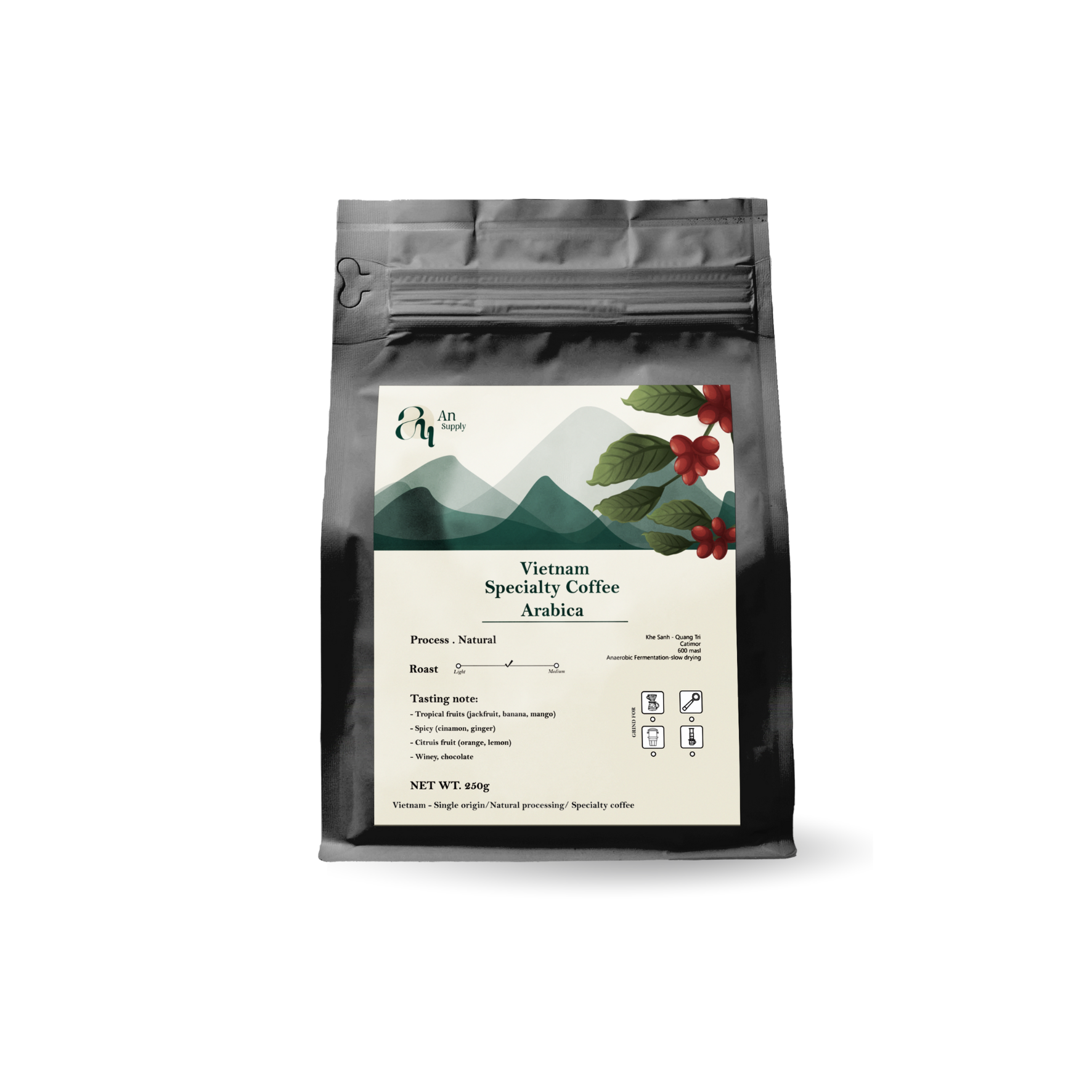
- Specialty Coffee: https://ansupply.com.vn/specialty-coffee/
- Instant Coffee Freeze-Dried: https://ansupply.com.vn/instant-coffee-freeze-dried/
8. Buyer Checklist Before Confirming an Order
Before confirming a coffee order connected to regenerative coffee farming, buyers should align internally on the following points:
- What does regenerative coffee farming mean in this supply chain?
- Which region, farm group, or sourcing area does the coffee come from?
- What traceability records are available?
- Which quality specifications are agreed?
- How are moisture and defects controlled?
- Which packaging format fits the destination market?
- Are certificates, references, or third-party documents available?
- How will the approved sample be matched with bulk shipment?
- Which export documents are prepared before shipment?
- How does the supplier handle quality feedback or shipment issues?
This checklist protects the buyer from using a sustainability claim that the supply chain cannot support. It also helps the supplier coordinate the right information before production and shipment.
9. FAQ
Is regenerative coffee farming the same as organic coffee?
- No. Organic coffee usually follows specific input rules and certification requirements. Regenerative coffee farming focuses more broadly on soil health, biodiversity, water management, and long-term farm resilience.
Can regenerative coffee farming improve coffee quality?
- It can support a stronger production foundation, but it does not replace post-harvest handling and export QC. Buyers still need to check moisture, defects, cup profile, storage, packaging, and documents.
Is Vietnam suitable for regenerative coffee farming?
- Vietnam has strong coffee-growing regions, especially in the Central Highlands. Regenerative practices can be relevant when farmers, suppliers, and buyers work together on long-term sourcing and quality improvement.
10. Conclusion
Regenerative coffee farming can be a meaningful sourcing direction, but only when the claim is backed by clear farm practices, traceability, quality control, and export documentation. For B2B buyers, the goal is not to buy a trend. The goal is to reduce risk, protect consistency, and build a supply chain that can perform again in the next order.
Vietnam’s Central Highlands offers strong potential for this kind of coffee sourcing, especially when buyers work with suppliers who can connect origin, post-harvest handling, packaging, and market expectations. In the end, the strongest coffee programs are not defined by the label alone — they are defined by the ability to deliver the same standard from sample to shipment, and from one order to the next.