Low carbon coffee is becoming a more common topic in sourcing discussions, but many buyers still struggle to verify what the claim actually means in practice.
A coffee buyer can receive a good sample, a competitive quotation, and a convincing sustainability presentation. Yet many sourcing problems do not appear during negotiation. They appear months later, when the shipment arrives, documentation is reviewed, or a retailer asks questions that the supplier cannot answer.
As environmental reporting requirements continue to grow, terms such as low carbon coffee, sustainable coffee, and responsible sourcing are appearing more frequently in procurement conversations. However, not every claim is supported by the same level of transparency.
For importers, distributors, and private-label brands, the real question is not whether a supplier uses the phrase “low carbon coffee.” The real question is whether the supplier can explain how environmental impact is measured, reduced, and documented throughout the supply chain.
1. What Does Low Carbon Coffee Actually Mean?
Contents
- 1. What Does Low Carbon Coffee Actually Mean?
- 2. Why Coffee Buyers Are Paying More Attention to Carbon Footprints
- 3. Seven Practical Checks Before Buying Low Carbon Coffee
- 4. Farm Practices That Can Reduce Coffee Emissions
- 5. Packaging, Logistics, and Traceability Also Matter
- 6. Common Mistakes Buyers Make
- 7. How An Supply Supports Low Carbon Coffee Sourcing
- 8. Buyer Checklist
- 9. FAQ
- 10. Conclusion
The term “low carbon coffee” does not have a single universal definition. Different suppliers may use it in different ways.
For some companies, low carbon coffee refers to reducing emissions at farm level through improved agricultural practices. For others, it includes transportation, processing, packaging, and supply chain management.
Buyers should avoid assuming that all low carbon claims are identical. Instead, they should ask:
- How are emissions measured?
- Which stages of the supply chain are included?
- Is the calculation verified by a third party?
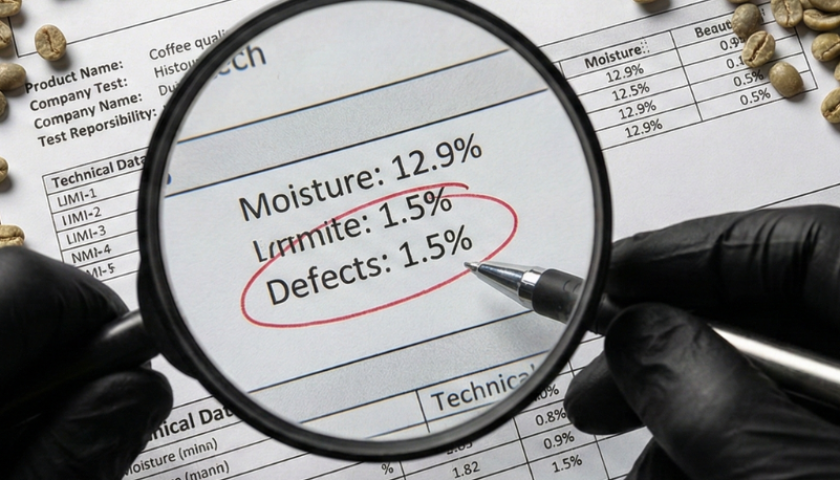
- What data supports the claim?
Buyer insight: A carbon claim without a measurement methodology is difficult to verify. Buyers should focus on evidence rather than terminology.
2. Why Coffee Buyers Are Paying More Attention to Carbon Footprints
Environmental reporting requirements are becoming more common across global markets.
Retailers, distributors, and food brands increasingly need information about product sustainability. Some markets require suppliers to provide environmental data, while others use sustainability performance as part of supplier evaluation.
For coffee buyers, this means carbon footprint discussions are no longer limited to marketing teams. Procurement teams are also becoming involved.
A low carbon coffee program can support:
- ESG objectives
- Supplier evaluation
- Retailer requirements
- Brand positioning
- Long-term sourcing strategies
Market trends related to sustainability and coffee trade can also be monitored through the International Coffee Organization (ICO), which regularly publishes updates on global coffee markets and industry developments.
However, these benefits only exist when claims can be verified.
3. Seven Practical Checks Before Buying Low Carbon Coffee
| Buyer Check | What Should Be Verified |
|---|---|
| Carbon methodology | How are emissions measured? |
| Farm practices | Which activities reduce emissions? |
| Traceability | Can the coffee be linked to farms and batches? |
| Processing | How is energy consumption managed? |
| Packaging | Are packaging materials optimized? |
| Logistics | Are transportation impacts considered? |
| Documentation | Can supporting records be provided? |
These checks help buyers move beyond marketing language and evaluate the actual sourcing program.
4. Farm Practices That Can Reduce Coffee Emissions
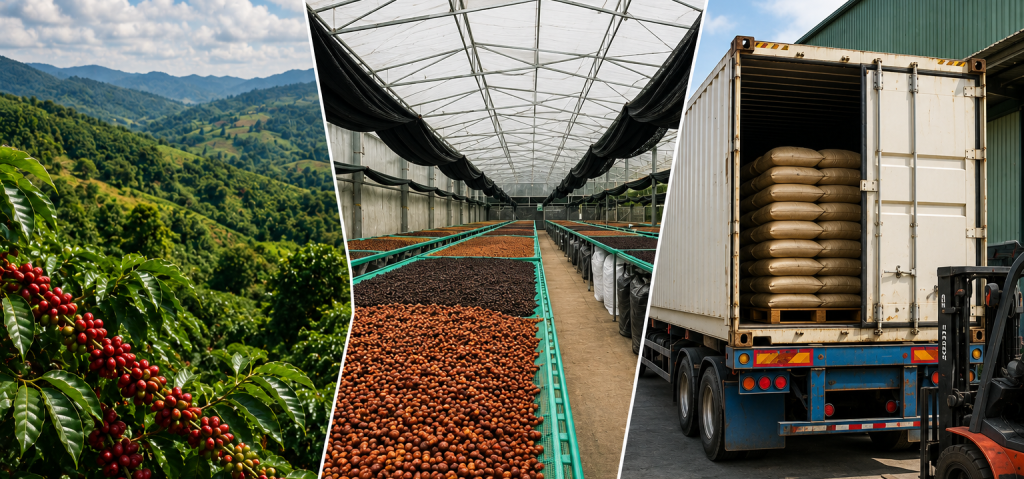
Environmental impact begins at farm level.
Several farming practices are commonly associated with lower carbon coffee production:
- Shade tree systems
- Soil cover management
- Composting
- Reduced fertilizer dependency
- Efficient irrigation
- Biodiversity protection
These practices may contribute to healthier soil, better water retention, and improved resilience against climate variability.
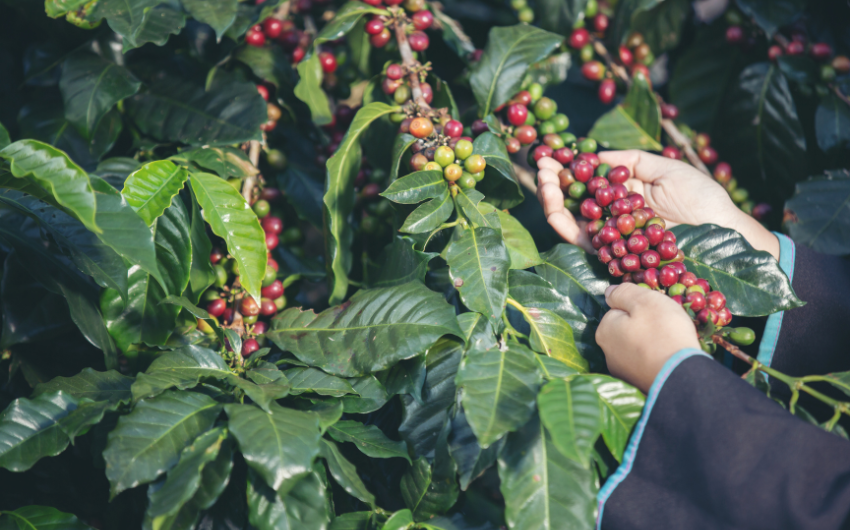
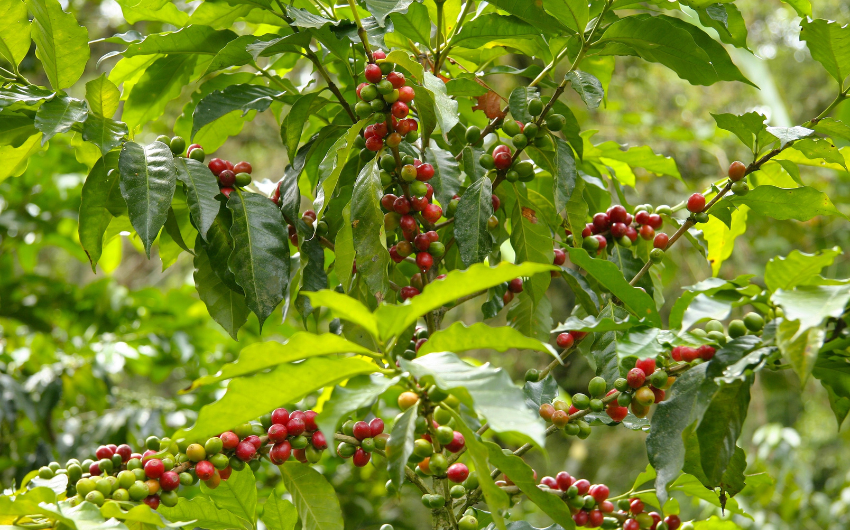
Buyer insight: A sustainability story becomes stronger when farm practices are clearly documented and linked to specific sourcing regions.
5. Packaging, Logistics, and Traceability Also Matter
Many sustainability discussions focus heavily on farming practices. However, environmental impact continues throughout the supply chain long after coffee leaves the farm.
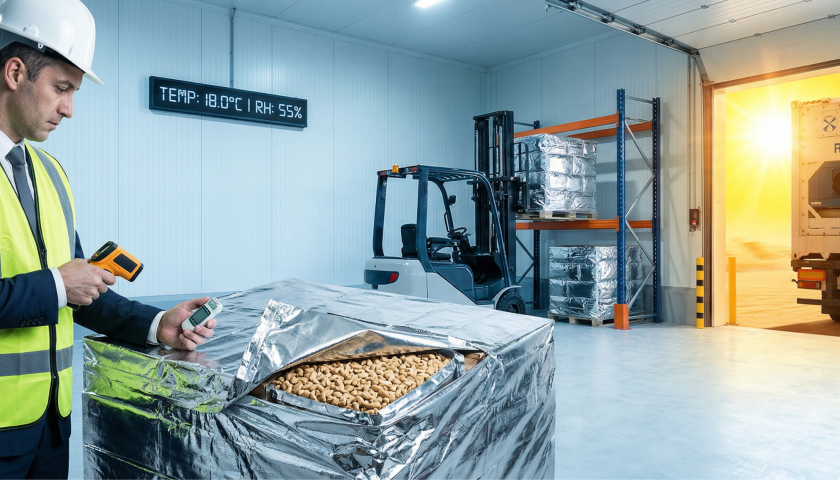
Packaging can influence material usage, waste generation, shipping efficiency, and product protection. A packaging format that reduces waste but fails to protect coffee quality may ultimately create more environmental impact through product loss, replacement shipments, and additional transportation.
For buyers evaluating environmental performance, sustainable coffee packaging should be considered alongside farm-level improvements. Sustainability goals become much harder to achieve when packaging decisions are disconnected from product protection and logistics requirements.
Transportation is another factor buyers should not overlook. Coffee may travel thousands of kilometers before reaching its destination market, making logistics an important part of the overall environmental footprint. Traceability is equally important. A supplier may claim lower emissions or responsible sourcing practices, but without traceability, buyers may struggle to connect those claims to a specific farm group, sourcing region, processing facility, or shipment batch.
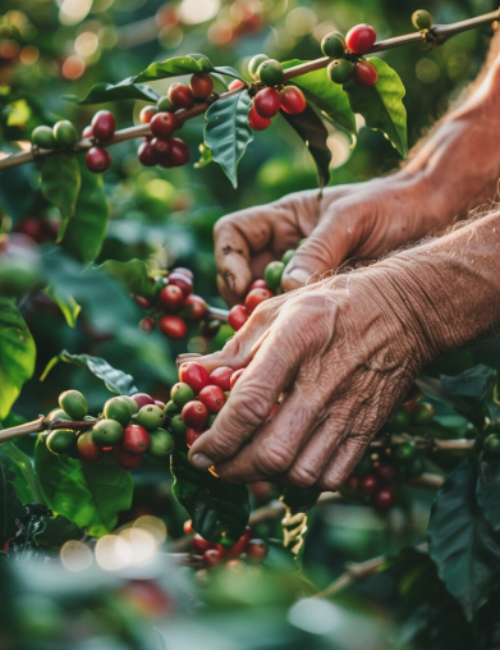
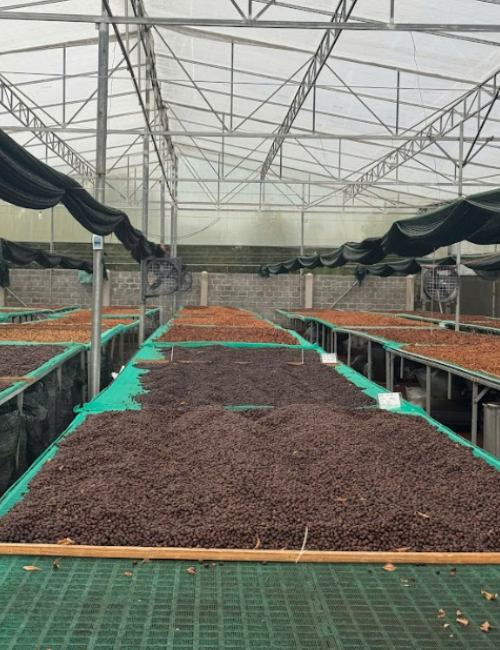
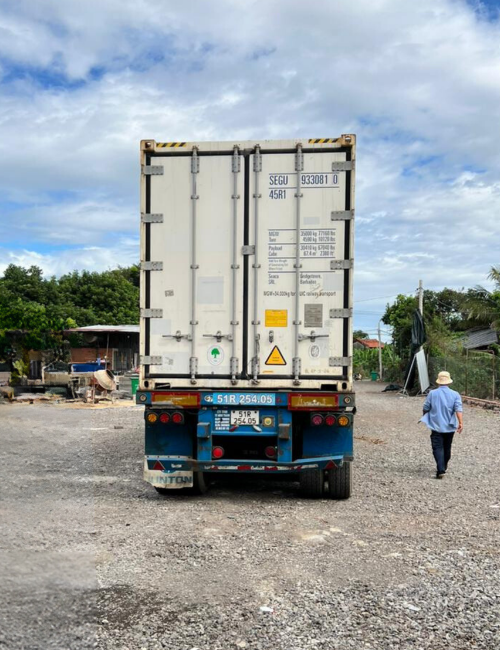
Buyer insight: A low carbon coffee claim becomes much more credible when buyers can verify not only how the coffee was produced, but also how it was packaged, transported, and documented throughout the supply chain.
6. Common Mistakes Buyers Make
Several common mistakes appear during sustainability sourcing discussions:
- Accepting claims without documentation
- Ignoring traceability requirements
- Focusing only on farm-level activities
- Failing to review logistics impact
- Waiting too long to discuss sustainability requirements
Buyer insight: The biggest risk is often not a high carbon footprint. The biggest risk is a claim that cannot be supported when customers or regulators ask questions.
7. How An Supply Supports Low Carbon Coffee Sourcing
At An Supply, sustainability discussions are connected to practical sourcing requirements.
This includes:
- Product specifications
- Traceability discussions
- Quality control planning
- Packaging recommendations
- Export documentation
- Supplier coordination
The goal is to help buyers evaluate products based on both commercial and sustainability requirements.
Recommended An Supply Products
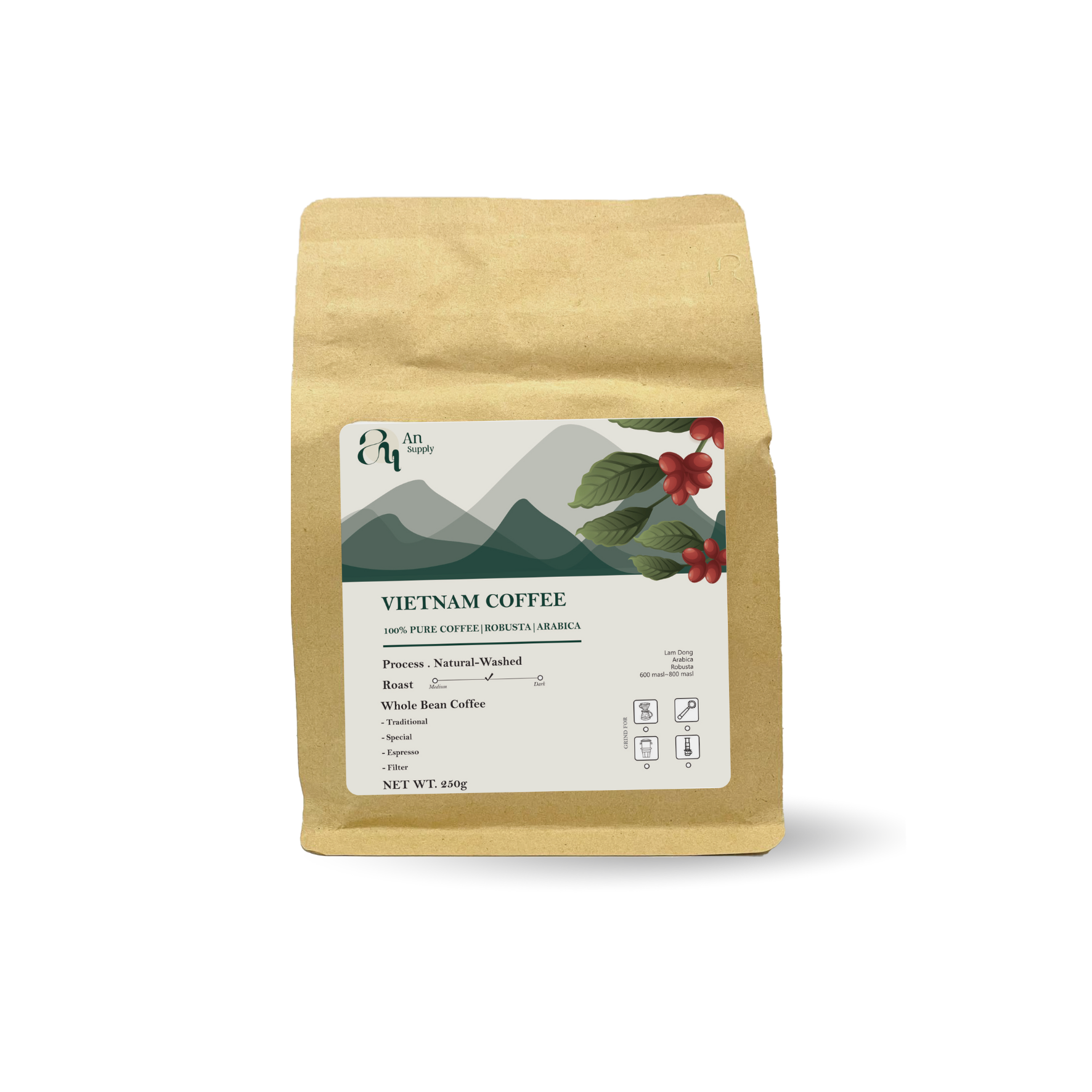
- Vietnam Coffee: https://ansupply.com.vn/vietnam-coffee/
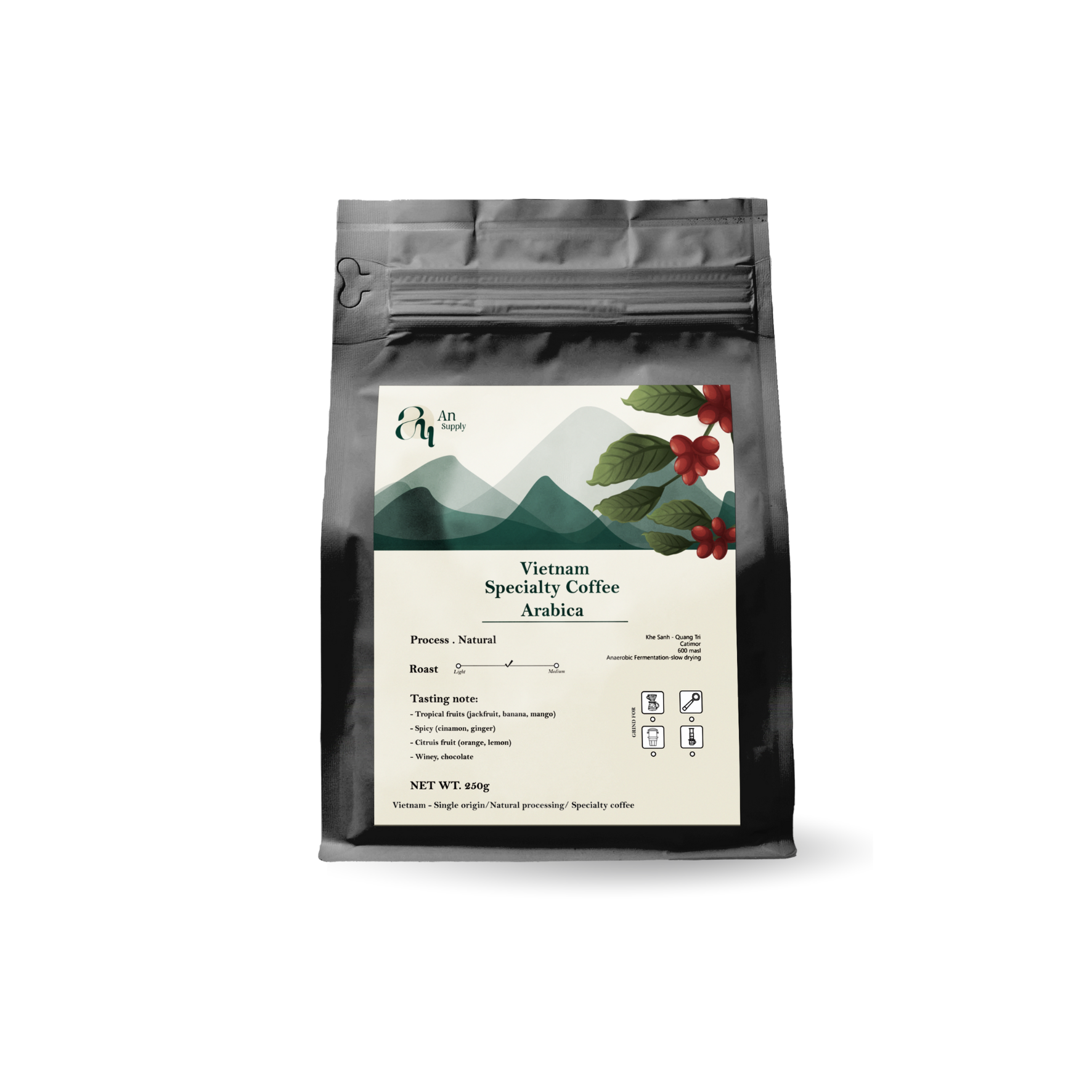
- Specialty Coffee: https://ansupply.com.vn/specialty-coffee/
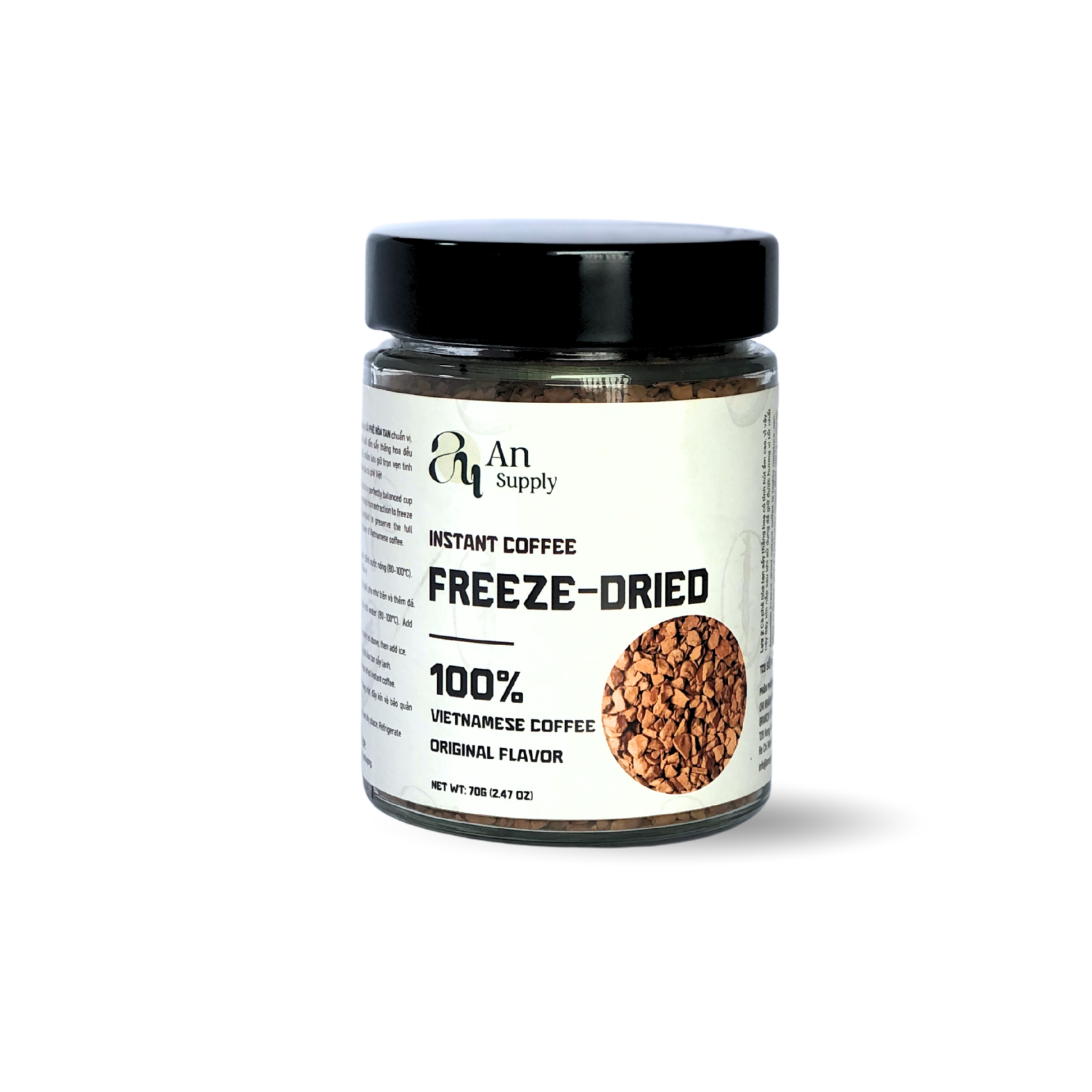
- Instant Coffee Freeze-Dried: https://ansupply.com.vn/instant-coffee-freeze-dried/
Related Articles
- Sustainable Coffee Packaging: https://ansupply.com.vn/sustainable-coffee-packaging/
- Custom Coffee Blend Supplier: https://ansupply.com.vn/custom-coffee-blend-supplier/
8. Buyer Checklist
Before approving a low carbon coffee program, buyers should confirm:
- How are emissions measured?
- Which supply chain stages are included?
- What documentation is available?
- Can the coffee be traced to origin?
- What farm practices support the claim?
- How is packaging managed?
- Are transportation impacts considered?
- Is third-party verification available?
- How are claims communicated to customers?
- Can the supplier maintain consistency over time?
9. FAQ
Is low carbon coffee the same as organic coffee?
- No. Organic certification focuses on specific production standards, while low carbon coffee focuses on reducing environmental impact and emissions.
Can low carbon coffee improve product quality?
- Not necessarily. Quality still depends on harvesting, processing, storage, packaging, and quality control.
Why are buyers requesting more sustainability information?
- Many retailers, brands, and regulators increasingly require environmental transparency from suppliers.
10. Conclusion
As sustainability expectations continue to evolve, buyers are increasingly expected to understand not only the quality of the coffee they purchase but also the environmental impact behind it.
Low carbon coffee programs can create opportunities for stronger sourcing relationships, improved transparency, and better long-term planning. However, these benefits depend on the ability to verify claims through traceability, documentation, and consistent execution throughout the supply chain.
Buyers who focus on evidence rather than marketing language are often in a stronger position to build reliable coffee sourcing programs.